Batteries made in Europe: new NEMO policy brief charts a path from dependency to resilience
Drawing on two BMS Alliance events, NEMO's new policy brief sets out why "made in Europe" batteries are hard to achieve, where Europe's strengths lie, and seven recommendations to build a more competitive, resilient and sovereign battery value chain.
Europe does not lack battery technology. Its research base is strong and its products compete on performance. The difficulty lies in cost, scale and dependencies along the value chain. This is the starting point of “Batteries made in Europe – From dependency to resilience: strengthening Europe’s battery value chain“, the new NEMO policy brief.
Read and download the policy brief
The brief draws on two BMS Alliance events. The first was the webinar “Securing cell supply”, on 2 October 2025. The second was the session “Competitive by design”, co-hosted with BEPA at the European Sustainable Energy Week (EUSEW) on 10 June 2026. Both brought together policymakers, industry leaders and researchers.
A central finding is that Europe’s cost gap with Asian producers stems mainly from manufacturing experience rather than labour or energy. That gap can be closed, but only with patient support through the capital-intensive ramp-up phase. The brief argues that competitiveness depends on the whole value chain working together: manufacturing, research, raw materials, recycling and policy. It highlights advanced battery management systems (BMS) as a recognised European strength.
Building on the current EU policy landscape, the brief sets out seven recommendations:
- Support the ramp-up, not just the announcement.
- Make “Made in Europe” requirements fast and ambitious.
- Secure the raw materials base and close the loop.
- Fund the full innovation pathway, including TRL 7–8.
- Invest in skills and knowledge retention.
- Align funding and coordinate the ecosystem.
- Keep the value chain agile and diversified.
With the Industrial Accelerator Act under discussion and a European battery roadmap in development under the SET Plan, these recommendations arrive at a decisive moment. Europe has the knowledge to lead. Turning that knowledge into industrial strength now depends on coordinated, sustained action across the whole value chain.
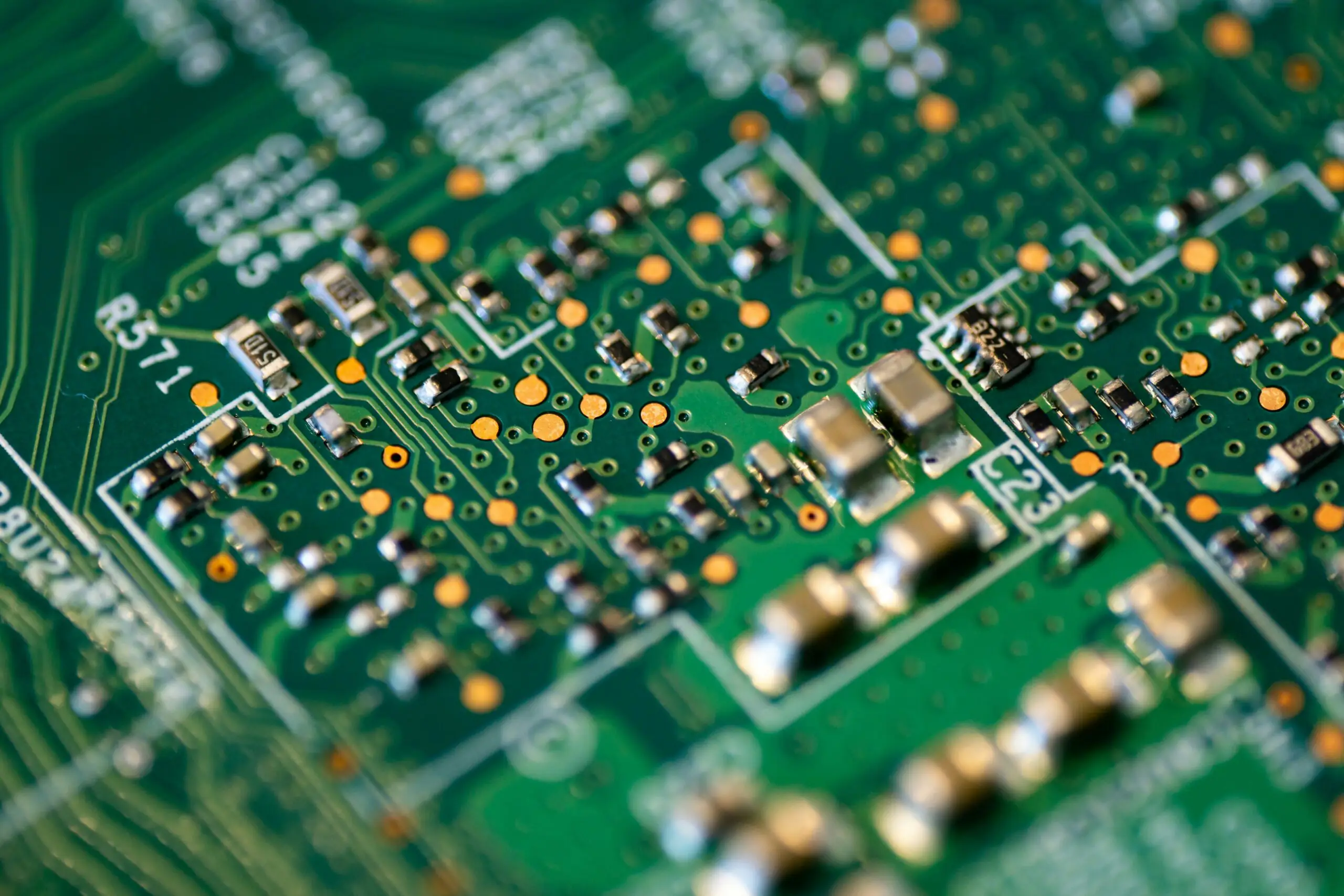
Picture by Magnus Engø on Unsplash


